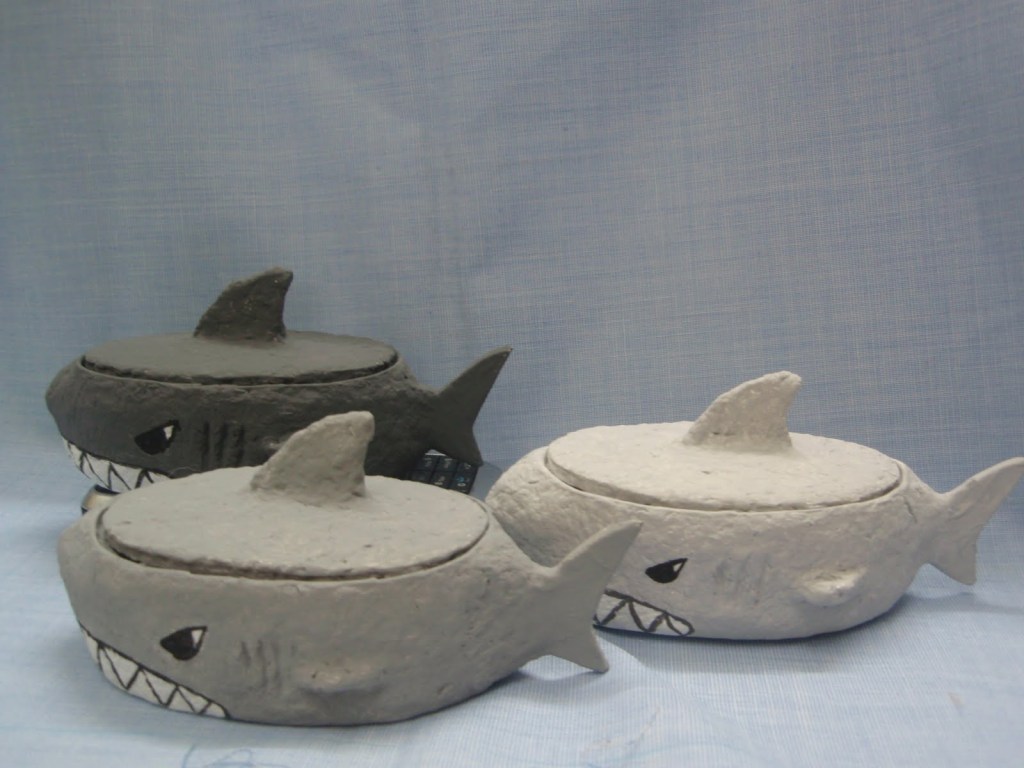
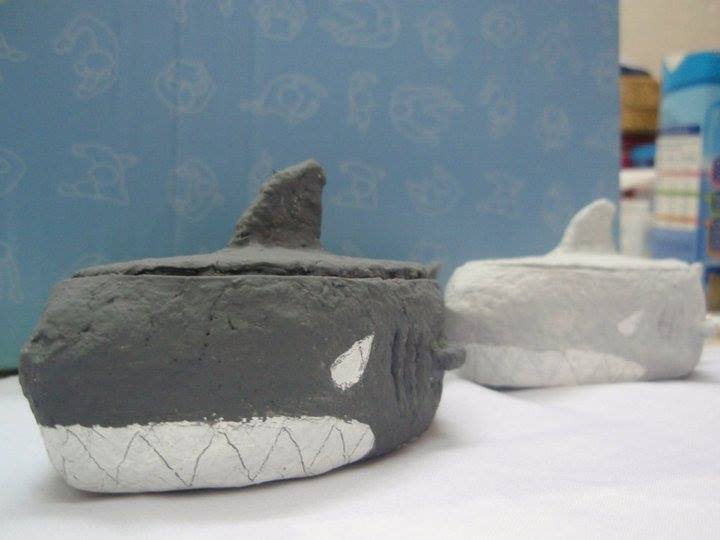
Alongside the Watermelon Turtle and her fellow sea turtles, I made three sharks, three whales, and three jellyfish. I gave them as parting gifts to my colleagues.
This was also one of my earlier paper mache projects, during the time when I was still exploring and shaping my approach to the craft.
There are over 500 known shark species in the world. According to the IUCN (International Union for Conservation of Nature), about 37% of them are threatened with extinction (Vulnerable, Endangered, or Critically Endangered). Despite their reputation, only a few shark species are considered dangerous to humans. In fact, out of all these species, only four—great white, tiger, bull, and oceanic whitetip sharks are responsible for most of the recorded unprovoked attacks. Most sharks pose little to no threat to humans and prefer to feed on fish or other marine life.
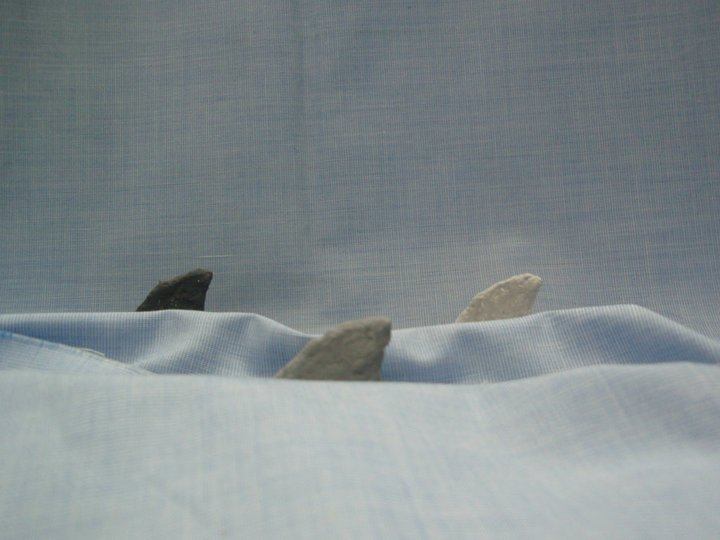
Sharks are mostly hunted for their fins, which are used to make shark fin soup. But honestly, the fins don’t have much taste on their own—the flavour comes from the soup, not the fins. Nutritionally, they’re nothing special either. It’s estimated that around 70 million sharks are killed every year just for their fins. That’s a huge number, and it really affects the ocean because sharks grow slowly and don’t have many babies. Once their numbers drop, it’s hard for them to bounce back.
I dedicate the following work to all shark researchers, conservationists, and everyone who supports shark conservation.
As with the sea turtles, I had “container” in mind when designing these sharks. I used cardboard from my recycle bin to form the body. I shaped the snout with a few layers of pasted newspaper, and attached a cardboard tail to the back.
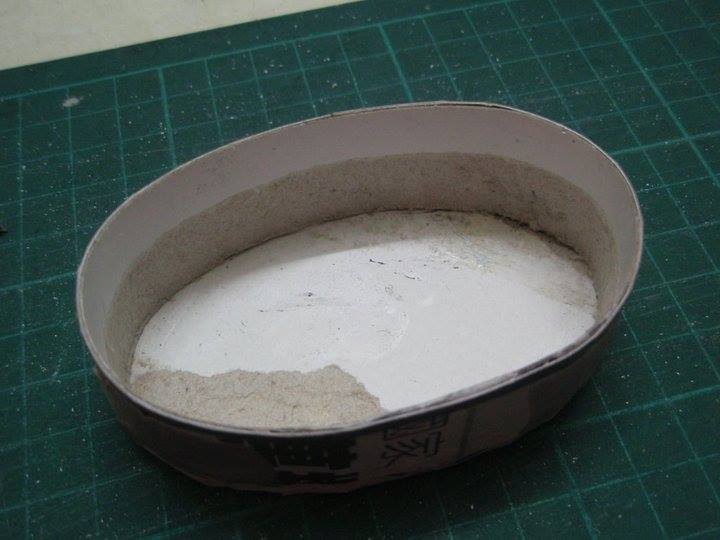

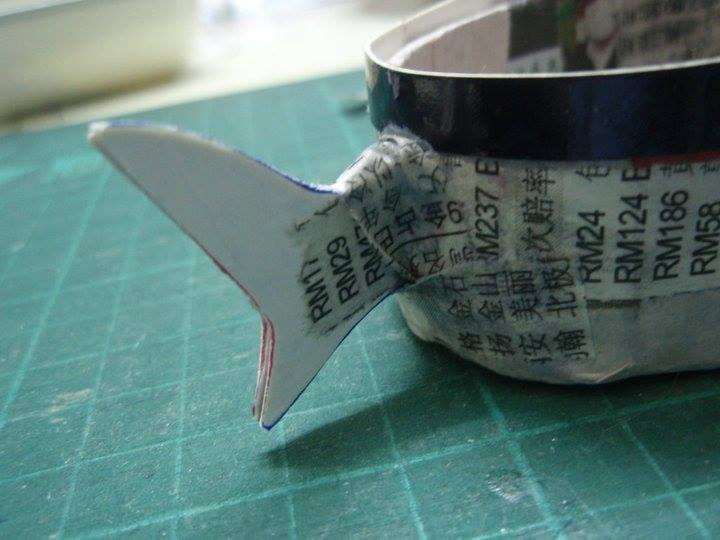
For the container cover, I made the shark’s back and dorsal fin using more cardboard.
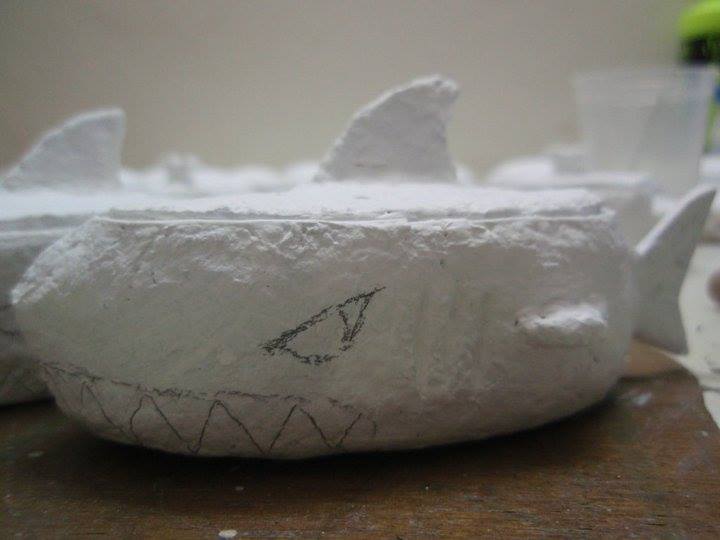
I then covered the body with a layer of paper mash and shaped the pectoral fins. I also made shallow indentations to represent the gills. After that, I left it to dry completely.
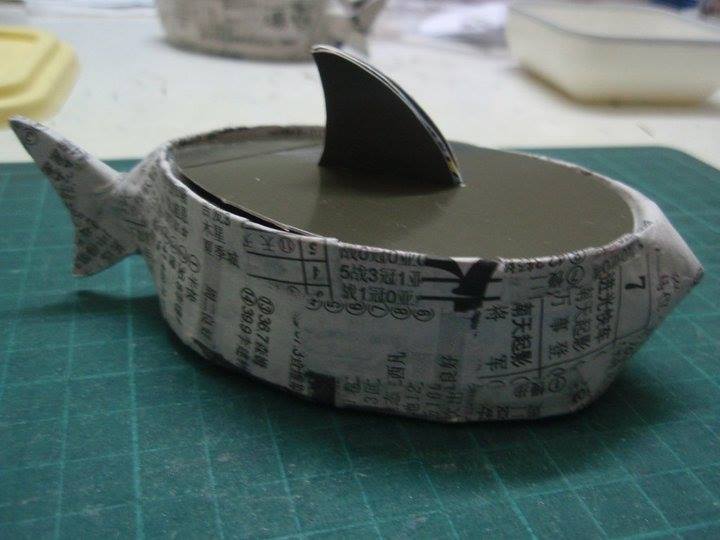
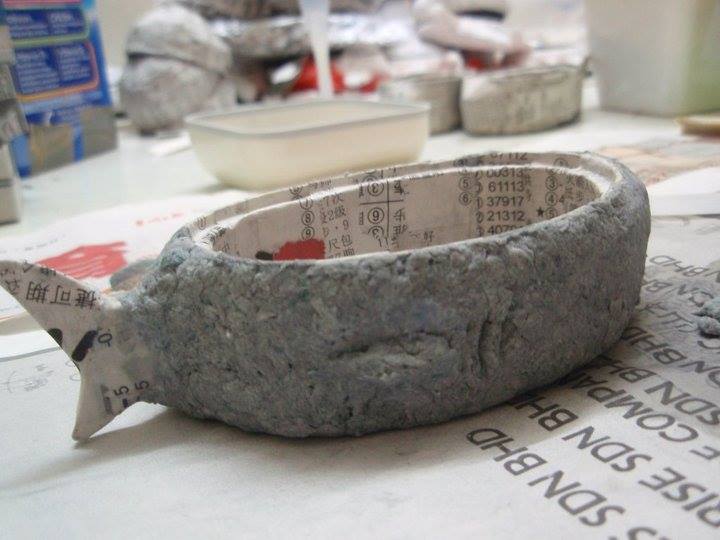
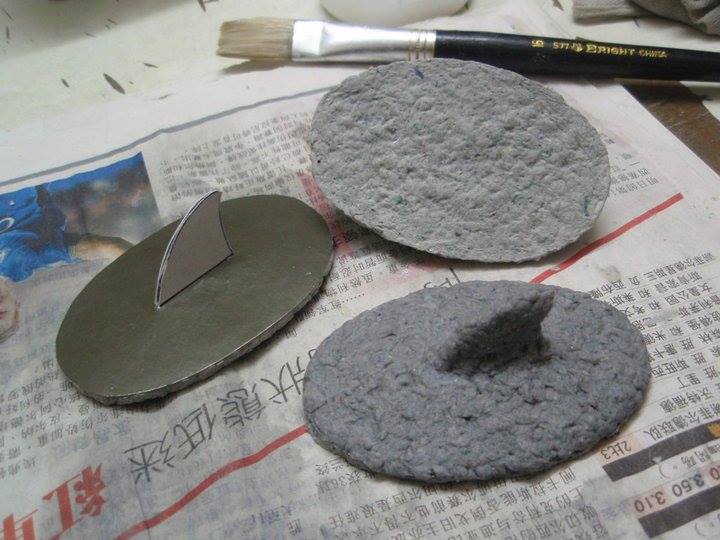
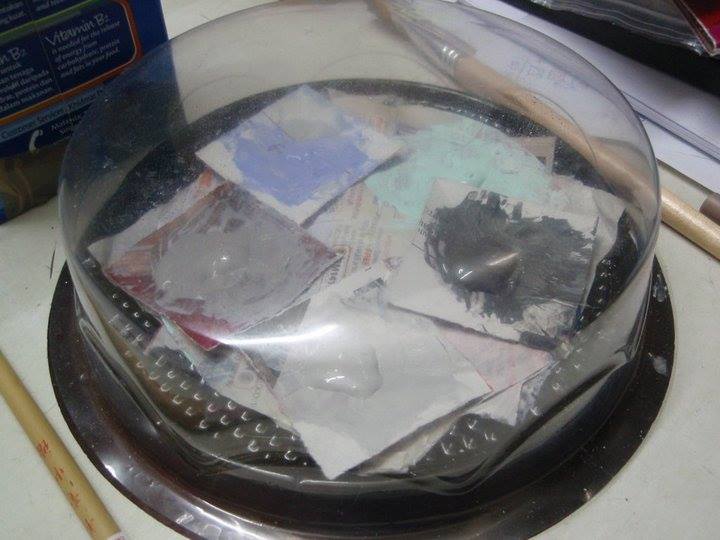
For this project, I decided to leave the texture of the paper mash as it was, without sanding. I gave it a coat of white interior wall paint, then painted it using acrylics. At that time, I had learned from the internet how to make a DIY palette to keep the paint wet while I worked.
Since the source of shark fins is difficult to trace, we can’t really know whether they come from sustainable sources (or from species that aren’t endangered). For this reason, it’s better to avoid consuming them altogether.
Without demand, supply will naturally decrease.
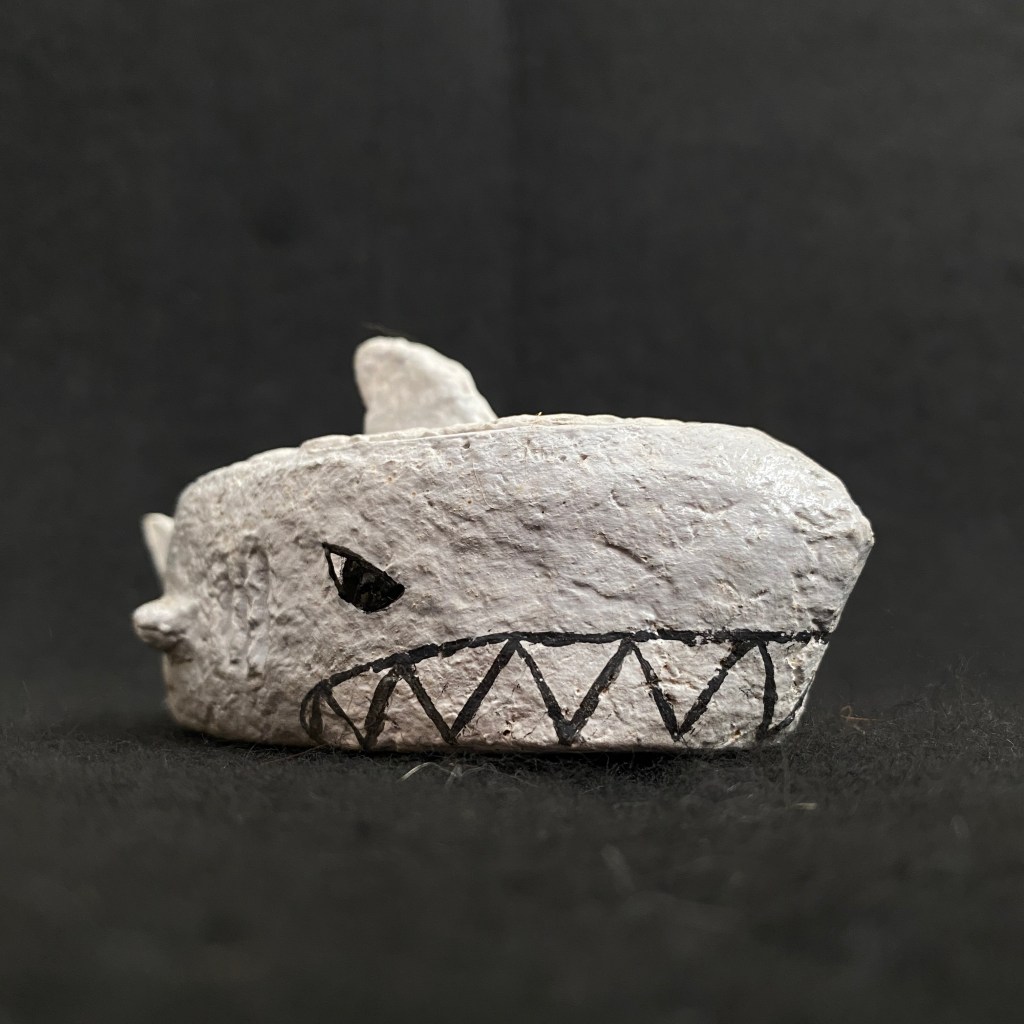

I like this little shark very much so I keep one of them for myself.
 wai yoke